

Plasma Exchange for Memory and Thinking Changes: The Brain Health Program
Helping people with memory and thinking changes, and the families beside them, understand their options and explore a study-based plasma exchange protocol with a trained care team, so they can make clear, confident decisions about what comes next.
For adults with memory or thinking changes and their families, and for people with a confirmed diagnosis of moderate Alzheimer’s disease considering the study-based protocol. Not a screening service and not a way to predict future risk in people without symptoms. A clinical review comes first.
- Based on the AMBAR randomized trial
- Clinic Director: Dr. David George
- Scottsdale, Arizona
- Evidence status: Studied
Visit or call the clinic
- 8090 N. 85th Way, Suite 100, Scottsdale, AZ 85258
- (623) 294-5577
- Monday to Friday, 9 a.m. to 5 p.m.

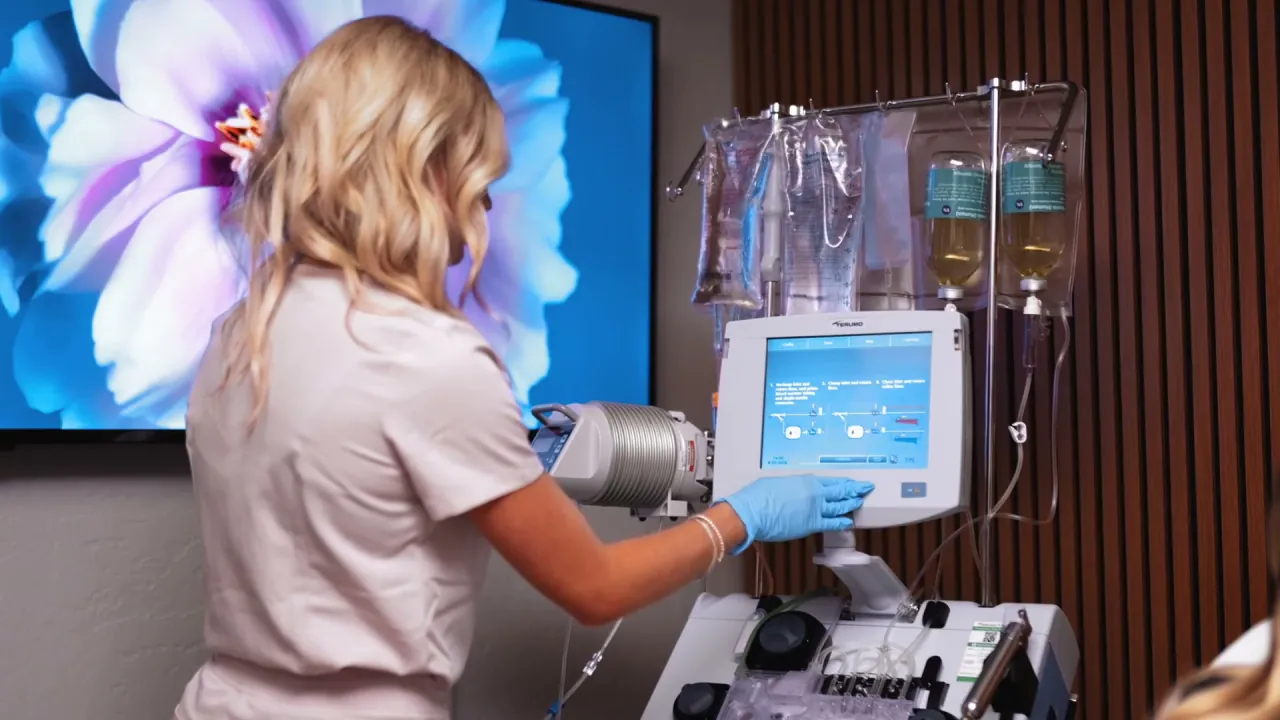
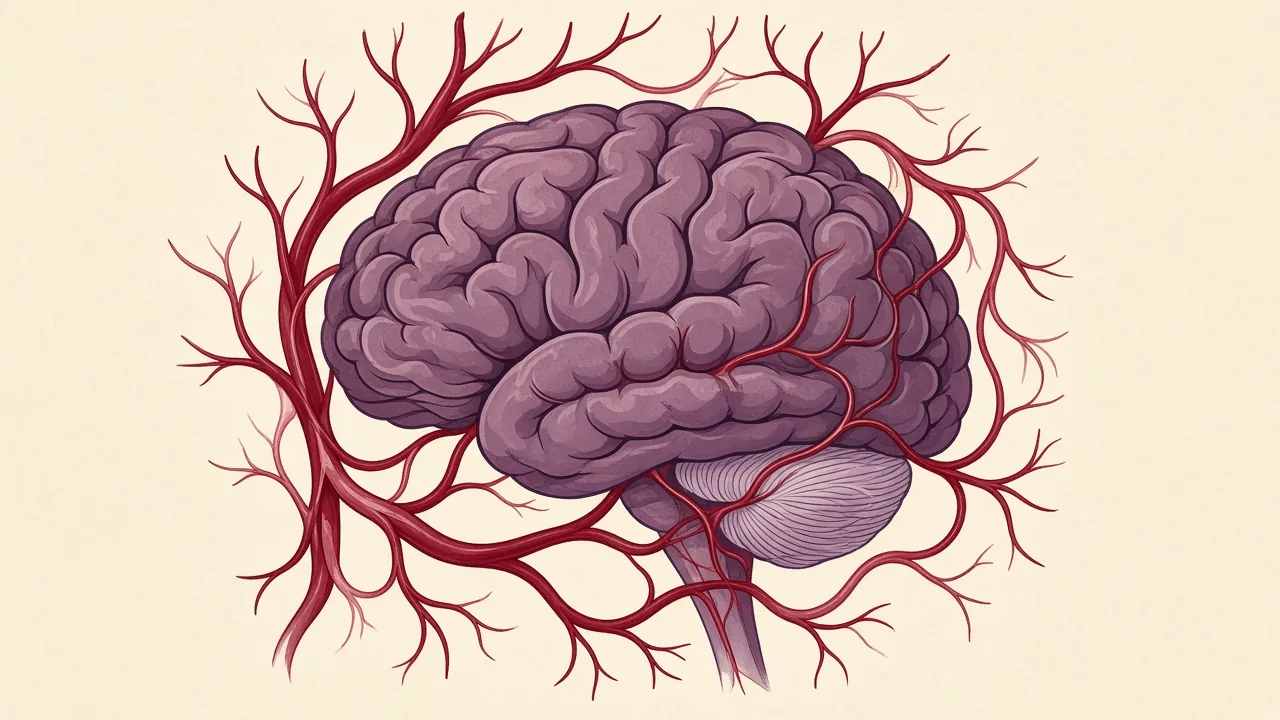
At a glance
- What this is
- A study-based plasma exchange protocol, based on the AMBAR randomized trial, with a trained care team in Scottsdale, Arizona.
- Who it is for
- Adults with memory or thinking changes and their families, and people with a confirmed diagnosis of moderate Alzheimer’s disease considering the study-based protocol. Not a screening service.
- Evidence
- Studied.
- Next step
- A clinical review comes first. Talk to our clinical team: call (623) 294-5577.
Who this Program is for
- I’m noticing memory or thinking changes.
- My family member has been diagnosed.
- I’m exploring options beyond current care.
Changes in memory or thinking deserve an assessment by your own physician or a qualified neurologist. If you already have a diagnosis, discuss the available care options, the limits of the research and your individual circumstances with your treating team.
How care works with your own doctors
Start with your own physician or neurologist's assessment. Any laboratory testing or plasma-exchange plan must be selected for your individual clinical situation. This Program does not provide symptom-free Alzheimer's screening. Plasma pTau217 testing exists but is not part of this Program.²
We work alongside your own doctors; we do not replace them.
How is plasma exchange believed to work for brain health?
Evidence status: Emerging (mechanism). The mechanism is a rationale, not a result.
The “brain sink”: a working hypothesis
Lowering amyloid-beta in the blood may draw it out of the brain.
Brain
Small, soluble forms of amyloid-beta
Blood
Most amyloid-beta in blood is carried on albumin
Plasma exchange replaces plasma with albumin that contains no detectable amyloid-beta
What is still unknown. Researchers have not shown that this happens in people, and other effects of plasma exchange, such as on inflammation, may matter as much or more.
Why that might matter for the brain. Plasma carries signaling molecules, including inflammatory messengers called cytokines, and proteins that can influence the brain. Long-lasting, low-grade inflammation is linked in observational research to memory and thinking changes. Researchers are studying whether lowering the load of circulating inflammatory factors could support a calmer environment around the brain. This is an idea under study, not a proven effect.
Plasma exchange does not act directly inside the brain; any effect is thought to work through signaling between the body and the brain, and may be limited by the blood-brain barrier.⁵
Earlier, smaller studies of plasma exchange in Alzheimer’s gave mixed results, and AMBAR is the larger randomized trial that followed.
What is not known. A change in a lab value does not by itself mean a change in memory or daily function. Plasma exchange removes many things at once, and researchers have not agreed on which of them matter. We will not promise a result.
What the AMBAR trial found, and what it did not
AMBAR at a glance: how much less scores declined than with placebo
- 52%Daily activitiesLess decline than placebo in the combined plasma exchange groups at 14 months. Statistically significant (p = 0.03).
- 66%Memory and thinkingLess decline in the combined groups. A trend that fell just short of statistical significance (p = 0.06).
- 61%Moderate Alzheimer’sLess decline on both measures in people with moderate disease (MMSE 18 to 21).
- 71%Clinician-rated dementia scaleLess decline in the combined groups on a secondary measure (p = 0.002).
These are differences in decline, not shares of people who improved. In mild Alzheimer’s, no significant effect was seen on the two main measures.
| Result | What the trial reported | Badge |
|---|---|---|
| Daily activities | In the combined plasma exchange groups, ability to manage daily activities declined about 52% less than in the placebo group. This result was statistically significant (p = 0.03). | Significant |
| Thinking | On the memory and thinking test, the combined groups declined about 66% less, but this fell just short of statistical significance (p = 0.06). It is best read as a trend. | Trend |
| Moderate Alzheimer’s | In a planned look at people with moderate disease (MMSE 18 to 21), the difference was larger on both measures: about 61% less decline. | Subgroup |
| Mild Alzheimer’s | In people with mild disease (MMSE 22 to 26), no significant effect was seen. | No effect seen |
Plasma exchange is not an approved treatment for Alzheimer’s disease, and the moderate-disease result came from a subgroup analysis, which needs confirmation in further research. These findings do not establish a benefit for other diagnoses or people without symptoms, and no individual improvement is promised.
Wondering whether this could apply to you or your family member? Talk to our clinical team.
What the process looks like at Clearegen
This protocol is for people with a confirmed diagnosis of moderate Alzheimer's disease, alongside their treating neurologist. AMBAR randomized 347 patients diagnosed with mild-to-moderate Alzheimer's disease; its subgroup findings do not establish a benefit for other dementias, general cognitive optimization or people without symptoms. Individual clinical review is required before any protocol.¹
- Talk to our clinical team.
- Review of records and diagnosis.
- Labs and discussion with your treating clinician.
- Protocol plan.
Tests to discuss with your treating clinician
- ApoE genotyping — only if your treating clinician considers it appropriate and discusses the implications with you
- Homocysteine and hs-CRP, if clinically indicated
- Heavy-metals testing, if an individual exposure assessment supports it
How the trial was run
The trial tested a plasma exchange schedule with albumin replacement. In AMBAR, people were randomized to one of four groups. Plasma exchange was given weekly for 6 weeks and then monthly for 12 months, with outcomes assessed at 14 months.¹
- 496 screened
- 347 randomized
- Four groups (three plasma exchange groups, one placebo group)
- 41 sites in Spain and the United States
- About 14 months
AMBAR used six weekly conventional plasma exchanges followed by twelve monthly low-volume exchanges. The plasma exchange groups received different albumin and intravenous-immunoglobulin regimens. Your clinical team must explain any proposed protocol and how it differs from the study.
Your clinical team
Your care comes from a dedicated blood rehabilitation team of experienced registered nurses, nurse practitioners and clinicians. You will meet more than one of us, and one dedicated registered nurse stays with you, one-on-one, for the entire procedure.
The team is led by our Clinic Director, David George, FNP-BC, PMHNP-BC, ECDCS, CBIS:
- Board-certified family nurse practitioner (FNP-BC)
- Trained and experienced in therapeutic plasma exchange
- Member, American Society for Apheresis (ASFA)
- Board-certified psychiatric-mental health nurse practitioner (PMHNP-BC)
- Credentialed in dementia care (ECDCS) and brain injury (Certified Brain Injury Specialist, CBIS)
- Certified in the RECODE 2.0 protocol for cognitive decline
Clinical review of each person’s records, labs, and goals comes before any protocol is planned.
We work alongside your own neurologist or physician. Clearegen does not replace that relationship and shares findings with them, with your permission.
Meet the people who would look after you. Talk to our clinical team.
What this Program does and does not claim
This Program does not diagnose, screen for or predict Alzheimer's disease, and it does not cure, reverse or halt it. A study result cannot determine whether a protocol is appropriate for you. Continue care with your own neurologist or memory-care clinician; a proposed plasma-exchange plan does not replace that care or an FDA-approved medication prescribed for you.
Frequently asked questions
What is therapeutic plasma exchange?
A procedure that separates the liquid part of blood (plasma), replaces it, and returns the blood cells. It is established for several other conditions.
Is plasma exchange an approved treatment for Alzheimer’s disease?
No. It is not an approved treatment for Alzheimer’s disease. The American Society for Apheresis lists plasma exchange for Alzheimer’s disease as Category III (role unclear; decide case by case).⁴ The Program follows a study-based protocol, explained above, and begins with clinical review.
What did the AMBAR trial find?
In the combined plasma exchange groups, ability to manage daily activities declined about 52% less than in the placebo group (p = 0.03). On the memory and thinking test, the combined groups declined about 66% less, but this fell just short of statistical significance (p = 0.06), so it is best read as a trend. In people with mild disease, no significant effect was seen. Read the full trial summary.
Is this for early memory changes or prevention?
No. It is not a screening service and not a way to predict risk. The trial found no significant effect in mild disease. Anyone with new memory concerns should start with their own clinician.
Who may be considered?
People with a confirmed diagnosis of moderate Alzheimer’s disease, after review by our clinical team.
What would the process look like, and for how long?
The trial used weekly sessions for 6 weeks, then monthly for 12 months. Any plan is individual and agreed after review.
What are the risks?
TPE is widely used, and serious complications are uncommon, but it is not risk-free. Possible effects include tingling or cramping (from the anticoagulant lowering calcium), low blood pressure, lightheadedness, bruising or irritation at the IV site, and allergic reactions to replacement fluids. TPE also removes helpful proteins along with plasma, including antibodies and clotting factors, for a time. Rare risks include infection and bleeding. We review your history before your first session and monitor you throughout.
Will you work with my neurologist or doctor?
Yes, we work alongside them and share findings with their permission.
Can this replace my current medicines or care?
No. Continue current care and discuss any change with the treating clinician.
Have questions about the Brain Health Program?
Our clinical team will talk through your or your family member’s situation, explain what the AMBAR trial does and does not show, and tell you honestly whether this Program may be a fit. There is no pressure to decide.
Helpful to have ready: the diagnosis and who confirmed it, current medicines, recent cognitive testing, and the name of the treating neurologist or physician.
References
- Boada M, López OL, Olazarán J, et al. Primary results of the AMBAR Study. Alzheimers Dement. 2020;16(10):1412–1425. doi:10.1002/alz.12137
- U.S. Food and Drug Administration. Lumipulse G pTau217/β-Amyloid 1-42 Plasma Ratio: Indications for Use and decision summary, K242706. May 16, 2025.
- A published perspective on the peripheral sink hypothesis. Frontiers in Neurology. 2020. doi:10.3389/fneur.2020.00459
- Connelly-Smith L, Alquist CR, Aqui NA, et al. Guidelines on the use of therapeutic apheresis in clinical practice—evidence-based approach from the Writing Committee of the American Society for Apheresis: the ninth special issue. J Clin Apher. 2023;38(2):77-278. doi:10.1002/jca.22043
- Rony RMIK, Shokrani A, Malhi NK, et al. Therapeutic plasma exchange: current and emerging applications to mitigate cellular signaling in disease. Biomolecules. 2025;15(7):1000. doi:10.3390/biom15071000
This Program is not an Alzheimer's screening or risk-prediction service. The study-based protocol requires a confirmed diagnosis of moderate Alzheimer's disease and individual clinical review. It is not a cure and does not replace care from your treating neurologist. Published trial results do not guarantee an individual outcome.
Questions worth asking any clinic, including ours.
Before you decide, ask us these. We’ll answer them plainly.
- What is the evidence for this use of TPE, and how strong is it?
- What will my Focused panel measure, what would an Expanded panel add, and how will we know what changed?
- What are the risks, and who should not have this procedure?
- What will it cost in total? (The Focused panel is included; the Expanded panel is an additional fee.)
- How will my own physician or clinician be kept informed?
Call us or send a request online, and our clinical team will answer your questions and set up a consultation.
Visit or call the clinic
Blood Rehabilitation Centers, Scottsdale, Arizona. Call us or send a request online, and our clinical team will answer your questions and set up a consultation.
Call (623) 294-5577- 8090 N. 85th Way, Suite 100, Scottsdale, AZ 85258
- Monday to Friday, 9 a.m. to 5 p.m.
What would you like to understand?
Browse all pages
- Home
- Blood Rehabilitation
- How We Prove It
- Programs
- The Vitality Cascade
- Membership
- TPE / Plasmapheresis
- TPE Fees & Packages
- How ClearCycle™ TPE Works
- The Evidence Behind TPE
- TPE Patient Experience
- eBoo
- EBO2 Fees & Packages
- How EBO2 Works
- EBO2 Patient Experience
- Safety & Standards
- Dr. David George
- Team
- For referring clinicians
- Contact Us in Scottsdale
- Frequently Asked Questions
- Privacy
- Terms & Conditions
- Cookie Policy
- Accessibility
- TPE for Biological Age
- TPE for Autoimmune & Chronic Inflammatory Conditions
- TPE for Cardiovascular Health
- TPE for Brain Health & Cognitive Function
- TPE for Environmental Exposure: Mold, Microplastics & Environmental Toxins
- TPE for Women’s Health
- Cardiovascular Health Program
- Biological Age
- Brain Health
- Autoimmune
- Environmental Exposure Program
- Women’s Health
- Performance Blood Health
- AMBAR trial summary