

Women’s Health Program
Preparing for pregnancy, or moving through menopause, is a natural moment to ask what is in your body and what you can do about it. Start with your own numbers: know your baseline, understand what it means, and decide next steps with a clinical team that works alongside your OB/GYN or specialist.
Baseline and follow-up testing for two life stages: planning a pregnancy, and the menopause transition. This Program starts with measurement. For patient safety, Clearegen does not provide plasma exchange to anyone who is pregnant, actively trying to conceive, or in active fertility treatment.
- 8090 N. 85th Way, Suite 100, Scottsdale, AZ 85258
- (623) 294-5577
- Monday to Friday, 9 a.m. to 5 p.m.

Dr. Elizabeth Shrader
DNP, double board-certified (WHNP-BC, PMHNP-BC)
Dr. Elizabeth Shrader, DNP, WHNP-BC, PMHNP-BC, oversees the Women’s Health Program. She is a Doctor of Nursing Practice, board certified as a Women’s Health Nurse Practitioner and as a Psychiatric Mental Health Nurse Practitioner. She has more than 20 years of experience in women’s health.
provider overseeing our women's health program
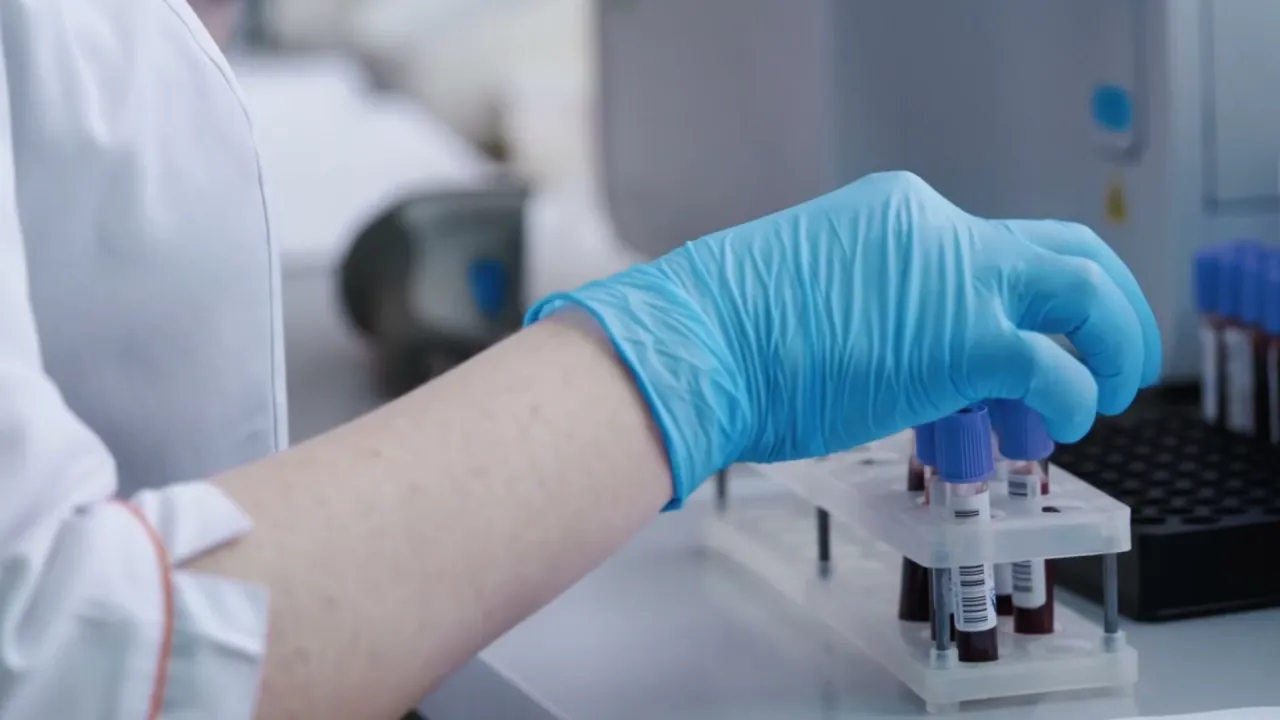
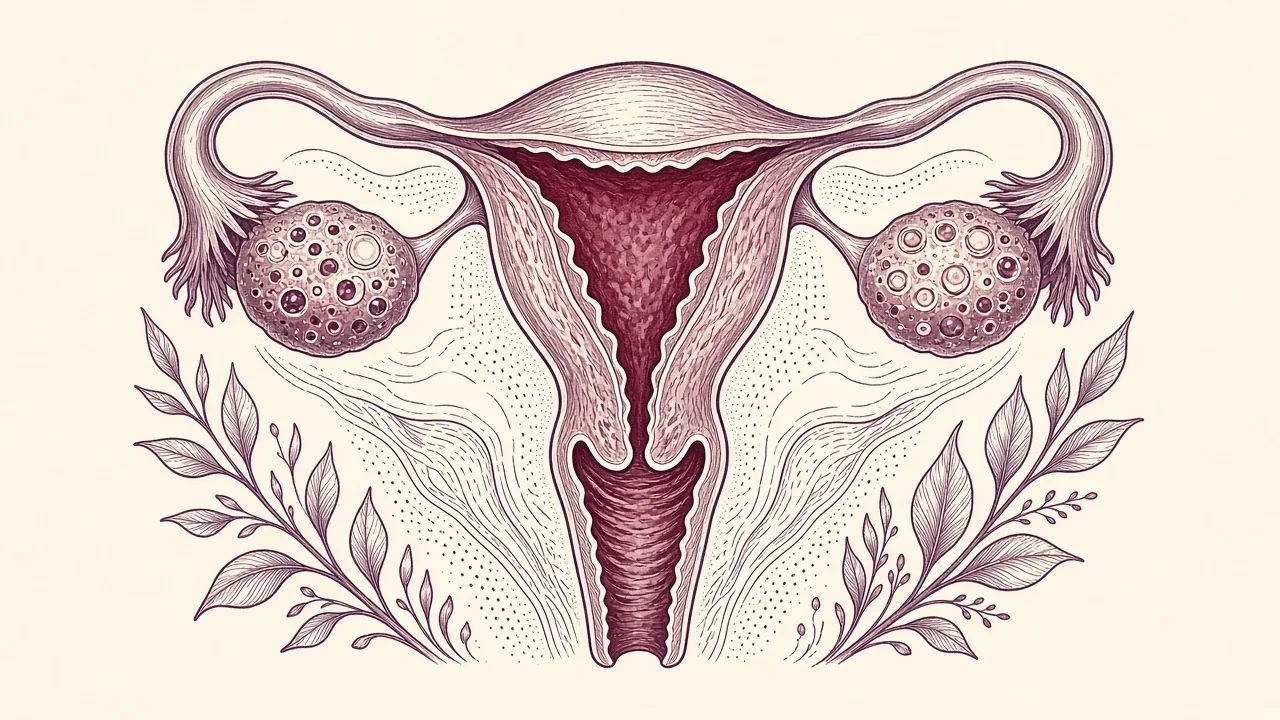
Why women and couples look at this before pregnancy
Many women, and many couples, want to start a pregnancy from the healthiest place they can. More of them are asking what everyday chemicals they carry, and what they can do about it before they conceive.
The American Pregnancy Association calls this a pre-pregnancy detox. Its article Pre-Pregnancy Detox for Couples says about 700 new chemicals are introduced in the United States each year, and it cites an Environmental Working Group study that found 287 industrial chemicals and pollutants in umbilical cord blood. It says these exposures can affect egg quality and sperm health, and it advises couples to start lowering their exposure before they try to conceive, beginning with everyday steps such as filtered water, less plastic food packaging and non-toxic household products.
We share this as context for why people come to us. It is not a recommendation or medical advice. What this Program adds is measurement: your own exposure and inflammation markers, taken before and after and reviewed with a clinical team.
Choose your starting point
Why measurement matters
If you’re planning a pregnancy, you may want a clear picture of your starting point: what is in your blood now, and what you can track. A 2025 study of follicular fluid from women having IVF found microplastic particles in most of the 18 samples tested; it did not examine whether this affects fertility.² A review of the wider research describes the evidence as early and variable in quality.¹³ Cohort studies and a meta-analysis link higher PFAS levels with slightly lower odds of conceiving per cycle;¹⁴ a U.S. survey reported associations with the number of pregnancies and live births, though it cannot show cause.¹⁵ We won't promise this testing changes your odds of conceiving — we can't, and we don't — but “knowing which of these substances are present in your blood” is a reasonable thing to want measured, not just an anxiety, and that's what this track measures.
Our aim is to help you understand and track your own exposure and inflammation markers, so you and your clinicians can make informed choices.
If you are experiencing changes in energy, sleep, mood or metabolism during perimenopause or menopause, discuss them with your own clinician. This track provides a baseline and follow-up comparison of the listed inflammatory and metabolic markers; it is not a treatment for menopausal symptoms.
What the evidence shows
Is there any evidence that therapeutic plasma exchange (plasmapheresis) has benefits for women’s health, including preconception and fertility? Evidence: Studied for severe pregnancy conditions; Emerging for antiphospholipid syndrome; Limited for the rest. Evidence is preliminary and limited to specific immunological or severe pregnancy conditions. Reviews describe plasma exchange used in pregnancy for a range of conditions, with most reports being case series and small cohorts.¹ In antiphospholipid syndrome, small observational studies report that plasmapheresis around conception and pregnancy was associated with good outcomes in women with a history of losses who had not responded to usual treatment.³,⁶,⁷ In severe conditions such as early-onset preeclampsia and acute fatty liver of pregnancy, treatment has been studied in small groups, mostly without matched controls.⁸,⁹ We did not find studies of plasma exchange for general preconception wellness or for menopausal symptoms. Guidelines for recurrent pregnancy loss recommend aspirin and heparin, not plasma exchange, for antiphospholipid syndrome.⁵ This page does not claim that plasma exchange improves fertility or pregnancy outcomes.
| Context | Evidence status |
|---|---|
| Severe pregnancy conditions (early-onset preeclampsia, acute fatty liver, autoimmune flares, thrombotic microangiopathy)¹,⁸,⁹,¹⁰ | Studied (hospital settings, case series and small matched studies); not applicable to wellness |
| Antiphospholipid syndrome (APS) with recurrent loss, before conception³,⁵,⁶,⁷ | Antibody titers lowered: Studied. Fewer losses or better pregnancy outcomes: Emerging |
| Endometriosis-related infertility¹¹ | Limited |
| Male factor and antisperm antibodies (partner)¹² | Limited (case-report level) |
| Exposures the Program measures (microplastics, PFAS, metals)²,¹³,¹⁴,¹⁵,¹⁶,¹⁷ | Exposure-outcome links: Emerging (observational). Microplastics and reproduction: Limited. Circulating clearance by plasma exchange: Emerging. Any reproductive benefit of that clearance: Limited (not studied) |
| General preconception wellness, and the menopause transition¹⁸ | Limited (no studies found) |
Plasma exchange is an accepted therapy for certain conditions under specialist care.²¹ Clearegen sells the service this page describes, and one study cited here (the plasma exchange and microplastics paper¹⁷) has authors connected to a company that offers the procedure.
How the Program works
- Your own clinicians come first and keep fertility and hormone care.
- Baseline tests, for either planning a pregnancy or the menopause transition.
- Results review.
- A joint decision.
- If plasma exchange is a fit and you want it, a ClearCycle™ series.
- A re-test at a fixed time.
- A review of the change, shared with your clinician.
If plasma exchange is not a fit, or you decline, your own clinicians lead and the team shares the results. You can take your results to your own clinician and decide nothing.
ClearCycle™ is a planned series of plasma exchange sessions. Plasma exchange is established for some medical conditions; for the purposes on this page the evidence is early.
Plasma exchange is an established therapy for certain conditions. For the purposes on this page it is not established. If you choose it, you are choosing an option with early evidence, known procedural risks and no promise of benefit, and you will sign a written consent that says so. Your own clinicians remain in charge of fertility, pregnancy and hormone care.
What we test — planning a pregnancy
- hs-CRP — a general inflammatory marker
- Environmental exposure / heavy-metal panel — the same exposure markers described on our Environmental Exposure Program page. Evidence for metals and fertility is mixed (Limited).¹⁶
- TSH — thyroid function is a common, easily-missed contributor to general wellness²⁰
- Vitamin D and ferritin
- The family-planning wellness track does not include ovarian-reserve testing (AMH), FSH/LH or other fertility-workup hormone tests. For a fertility assessment, speak with your OB/GYN or reproductive endocrinologist.
- Antiphospholipid antibody panel — only when there's a personal history of recurrent pregnancy loss, and only in coordination with the patient's treating specialist; this is a diagnostic-follow-up scenario, not a general wellness test, and belongs on our Autoimmune Program when it applies
What we test — the menopause transition
- FSH and estradiol — hormone levels at one point in time, to review with your clinician. They do not by themselves tell you where you are in the transition.
- Lipid panel and ApoB — LDL cholesterol and apolipoprotein B rise during the menopause transition,¹⁸ the same markers our Cardiovascular Health Program measures
- TSH — thyroid function change is common during this transition
- hs-CRP — a general inflammatory marker
- Vitamin D and ferritin
How is plasma exchange believed to work here?
Working hypothesis for the wellness use.
Plasma exchange separates the liquid part of your blood (plasma) from your blood cells, removes the plasma, and returns your cells with a replacement fluid, usually albumin. Anything dissolved or carried in that plasma leaves with it. It is not selective, so helpful proteins and some medicines leave too.¹⁹
In the conditions where plasma exchange is used around pregnancy, it aims at a known target. In antiphospholipid syndrome the target is antiphospholipid antibodies, which fell after a course of procedures in one study.³ In severe early preeclampsia the target is anti-angiogenic proteins, which fell in a small study.⁸ In acute fatty liver of pregnancy it is used to remove liver metabolites.⁹ In all of these, plasma exchange is added to standard medical care, in specialist settings, for a defined problem.
For a healthy woman planning a pregnancy, or going through the menopause transition, there is no defined target and no study of benefit. Our working hypothesis is therefore limited. We measure your exposure and inflammation markers. If they are of interest to you and your clinicians, plasma exchange is one option to discuss, and we re-test at a fixed time so you can see whether your own numbers changed. Lower blood levels do not necessarily mean lower levels elsewhere in the body, and no study has shown that they improve how you feel or any reproductive outcome.
What this page does not claim
This page does not claim that plasma exchange improves fertility or pregnancy outcomes. There is no published clinical trial evidence that plasma exchange improves conception rates or any other fertility outcome, or relieves hot flashes, night sweats, or any other menopausal symptom, in a general, non-diagnosed population. The tests describe exposure and inflammation at one point in time and do not predict conception.
When to talk to your specialist first
For patient safety, Clearegen does not provide plasma exchange to anyone who is pregnant, actively trying to conceive, or in active fertility treatment. The Program serves the preconception phase only: women preparing to conceive, and wanting to understand and support their health before becoming pregnant.
This Program is general wellness support alongside your own physician’s care. If you are undergoing active infertility treatment or symptomatic menopause management, discuss participation with your treating specialist first. Plasma exchange removes some medicines, so we ask for your medicine list before planning anything.¹⁹
Your clinical team
Your care comes from a dedicated blood rehabilitation team of experienced registered nurses, nurse practitioners and clinicians. You will meet more than one of us, and one dedicated registered nurse stays with you, one-on-one, for the entire procedure.
The team is led by our Clinic Director, Dr. David George, FNP-BC:
- Board-certified family nurse practitioner (FNP-BC)
- Trained and experienced in therapeutic plasma exchange
- Member, American Society for Apheresis (ASFA)
We work alongside your own OB/GYN, fertility specialist or menopause clinician and share your results with them, with your permission.
Questions people ask
Is the Women’s Health Program a fertility treatment?
No. It is a set of blood tests taken before and after, with a results review, alongside the care of your own OB/GYN, fertility specialist or menopause clinician. It does not replace that care and does not change your chance of conceiving.
Why measure environmental exposures at all?
Evidence: Studied (association only). In an Australian online survey of 553 women, 68% had taken two or more actions to improve their health before pregnancy.²² Measuring your own baseline is one of the tools proactive women use to inform those choices, alongside the established steps your clinician recommends; it is not a fertility treatment. Studies link some chemicals to fertility measures: a meta-analysis of 13 observational studies found that PFOA and PFOS were associated with slightly lower odds of conceiving per cycle and, for PFOA, higher odds of infertility,¹⁴ and a U.S. survey reported associations between PFAS levels and self-reported pregnancies and live births.¹⁵ A small study found microplastics in some follicular fluid samples, with no link to outcomes.² These are associations. No study shows that lowering a level changes fertility, and the Program does not say it does. Testing tells you what is present, so you and your clinician can decide what to do about it. Obstetric guidance also encourages reducing exposure to environmental agents before and during pregnancy.⁴
Can plasma exchange lower those chemicals?
Evidence: Limited. One early report asks whether plasma exchange can lower the circulating burden of microplastics;¹⁷ it is preliminary and does not show a health benefit. We tell you what we measure before and after your series and what the numbers can and cannot mean.
Will it help with menopausal symptoms?
Evidence: Limited (none found). We did not find studies of plasma exchange for hot flushes, sleep or mood. What the Program offers during the transition is a baseline and follow-up of lipids, ApoB, inflammation and thyroid, which matter because cholesterol and blood pressure tend to worsen across the menopause transition and cardiovascular risk deserves attention then.¹⁸ That is a measurement and a conversation with your clinician, not a treatment for symptoms.
Is plasma exchange safe?
Evidence: Established as a procedure; unproven for this use. It is a recognized procedure with known risks, which we list in your consent and on this page.¹⁹ In one hospital registry of pregnant patients, adverse events occurred in about 2% of sessions and none needed hospitalization.¹⁰ That population and setting differ from an elective program, so we do not use it as a promise about your experience.
Do I have to have plasma exchange?
No. Many people take the tests and the results review and stop there. Plasma exchange is a separate decision made after your results are reviewed, and you can say no at any point.
What about my partner?
The evidence for plasma exchange in male infertility is a single couple’s observation with no comparison group,¹² so we do not offer it as a male-fertility option.
I am pregnant, or in IVF or fertility treatment. Can I start?
No. For patient safety, we will not provide plasma exchange to anyone who is pregnant, actively trying to conceive, or in active fertility treatment. The Program is for the preconception phase only: preparing to conceive and understanding your health baseline beforehand, alongside your own clinician.
References
- Wind M, Gaasbeek AGA, Oosten LEM, et al. Therapeutic plasma exchange in pregnancy: a literature review. Eur J Obstet Gynecol Reprod Biol. 2021;260:29-36. doi:10.1016/j.ejogrb.2021.02.027
- Montano L, Raimondo S, Piscopo M, et al. First evidence of microplastics in human ovarian follicular fluid: an emerging threat to female fertility. Ecotoxicol Environ Saf. 2025;291:117868. doi:10.1016/j.ecoenv.2025.117868
- Kuneshko NF, Kim VV, Lyadnova EM, et al. Plasmapheresis for lowering the risks of placenta-associated complications in antiphospholipid syndrome. Obstet Gynecol Reprod. 2025;19(1):47-58. doi:10.17749/2313-7347/ob.gyn.rep.2025.584
- American College of Obstetricians and Gynecologists. Reducing prenatal exposure to toxic environmental agents. Committee Opinion. July 2021.
- ESHRE guideline: recurrent pregnancy loss: an update in 2022.
- Eremeeva DR, Zainulina MS, Dolgova YS, et al. Use of plasmapheresis in treatment of patients with unfavorable anamnestic pregnancy outcomes coupled to antiphospholipid antibodies. Obstet Gynecol Reprod. 2021;15(1):22-31. doi:10.17749/2313-7347/ob.gyn.rep.2021.105
- Cottrell J, Al Sanani A, Ogu I, Chaffin D. Triple positive antiphospholipid antibody syndrome in pregnancy with high frequency plasma exchange: a case report. Transfus Med Hemother. 2023;50(2):154-158. doi:10.1159/000526349
- Iannaccone A, Reisch B, Kimmig R, et al. Therapeutic plasma exchange in early-onset preeclampsia: a 7-year monocentric experience. J Clin Med. 2023;12(13):4289.
- Siwatch S, De A, Kaur B, et al. Safety and efficacy of plasmapheresis in treatment of acute fatty liver of pregnancy: a systematic review and meta-analysis. Front Med (Lausanne). 2024;11:1433324. doi:10.3389/fmed.2024.1433324
- Colpo A, Marson P, Pavanello F, et al. Therapeutic apheresis during pregnancy: a single center experience. Transfus Apher Sci. 2019;58(5):652-658.
- Dubinskaya E, Lapteva N, Lukyanova Y. The use of plasmapheresis in treatment of patients with infertility, peritoneal endometriosis and NAT2 gene polymorphism. EUREKA: Health Sciences. 2016;(2). doi:10.21303/2504-5679.2016.00087
- Voinov VA, Borovets SY, Karchevsky KS, Isaulov OV. Plasmapheresis in the treatment of male infertility: literature review and own observation. Ann Urol Nephrol. 2019;1(1):AUN.MS.ID.000505. doi:10.33552/AUN.2019.01.000505
- İnam Ö. Impact of microplastics on female reproductive health: insights from animal and human experimental studies: a systematic review. Arch Gynecol Obstet. 2025;312(1):77-92. doi:10.1007/s00404-024-07929-w
- Wang W, Hong X, Zhao F, Wu J, Wang B. The effects of perfluoroalkyl and polyfluoroalkyl substances on female fertility: a systematic review and meta-analysis. Environ Res. 2022. doi:10.1016/j.envres.2022.114718
- Huang G, Li J, Zhou L, et al. Perfluoroalkyl and polyfluoroalkyl substances in relation to the participant-reported total pregnancy and live birth numbers among reproductive-aged women in the United States. Toxics. 2024;12(8):613. doi:10.3390/toxics12080613
- An L, Huang Y, Wang Y, et al. Assessment of ovarian dysfunction induced by environmental toxins: a systematic review. Front Public Health. 2025;13:1575418. doi:10.3389/fpubh.2025.1575418
- Weinstein R, Yüksel ZS, Anderson C, et al. Can plasma exchange be used to lower the circulating burden of microplastics in human patients? J Clin Apher. 2026;41. doi:10.1002/jca.70135
- El Khoudary SR, Aggarwal B, Beckie TM, et al. Menopause transition and cardiovascular disease risk: implications for timing of early prevention: a scientific statement from the American Heart Association. Circulation. 2020.
- Altobelli C, Anastasio P, Cerrone A, et al. Therapeutic plasmapheresis: a revision of literature. Kidney Blood Press Res. 2023;48(1):66-78. doi:10.1159/000528556
- Alexander EK, Pearce EN, Brent GA, et al. 2017 Guidelines of the American Thyroid Association for the diagnosis and management of thyroid disease during pregnancy and the postpartum. Thyroid. 2017;27(3):315-389. doi:10.1089/thy.2016.0457
- Connelly-Smith L, Alquist CR, Aqui NA, et al. Guidelines on the use of therapeutic apheresis in clinical practice: evidence-based approach from the Writing Committee of the American Society for Apheresis: the ninth special issue. J Clin Apher. 2023;38(2):77-278. doi:10.1002/jca.22043
- Musgrave LM, Homer CSE, Gordon A. Knowledge, attitudes and behaviours surrounding preconception and pregnancy health: an Australian cross-sectional survey. BMJ Open. 2023;13(1):e065055. doi:10.1136/bmjopen-2022-065055
ClearCycle™ is not a fertility or menopause treatment, and is not intended to diagnose, treat, cure, or prevent infertility, menopausal symptoms, or any other medical condition. This Program does not replace care from an OB/GYN, reproductive endocrinologist, or menopause specialist. For patient safety, we do not provide plasma exchange to anyone who is pregnant, actively trying to conceive, or in active fertility treatment.
Questions worth asking any clinic, including ours.
Before you decide, ask us these. We’ll answer them plainly.
- What is the evidence for this use of TPE, and how strong is it?
- What will my Focused panel measure, what would an Expanded panel add, and how will we know what changed?
- What are the risks, and who should not have this procedure?
- What will it cost in total? (The Focused panel is included; the Expanded panel is an additional fee.)
- How will my own physician or clinician be kept informed?
Call us or send a request online, and our clinical team will answer your questions and set up a consultation.
Visit or call the clinic
Blood Rehabilitation Centers, Scottsdale, Arizona. Call us or send a request online, and our clinical team will answer your questions and set up a consultation.
Call (623) 294-5577- 8090 N. 85th Way, Suite 100, Scottsdale, AZ 85258
- Monday to Friday, 9 a.m. to 5 p.m.
What would you like to understand?
Browse all pages
- Home
- Blood Rehabilitation
- How We Prove It
- Programs
- The Vitality Cascade
- Membership
- TPE / Plasmapheresis
- TPE Fees & Packages
- How ClearCycle™ TPE Works
- The Evidence Behind TPE
- TPE Patient Experience
- eBoo
- EBO2 Fees & Packages
- How EBO2 Works
- EBO2 Patient Experience
- Safety & Standards
- Dr. David George
- Team
- For referring clinicians
- Contact Us in Scottsdale
- Frequently Asked Questions
- Privacy
- Terms & Conditions
- Cookie Policy
- Accessibility
- TPE for Biological Age
- TPE for Autoimmune & Chronic Inflammatory Conditions
- TPE for Cardiovascular Health
- TPE for Brain Health & Cognitive Function
- TPE for Environmental Exposure: Mold, Microplastics & Environmental Toxins
- TPE for Women’s Health
- Cardiovascular Health Program
- Biological Age
- Brain Health
- Autoimmune
- Environmental Exposure Program
- Women’s Health
- Performance Blood Health
- AMBAR trial summary