

Performance Blood Health Program
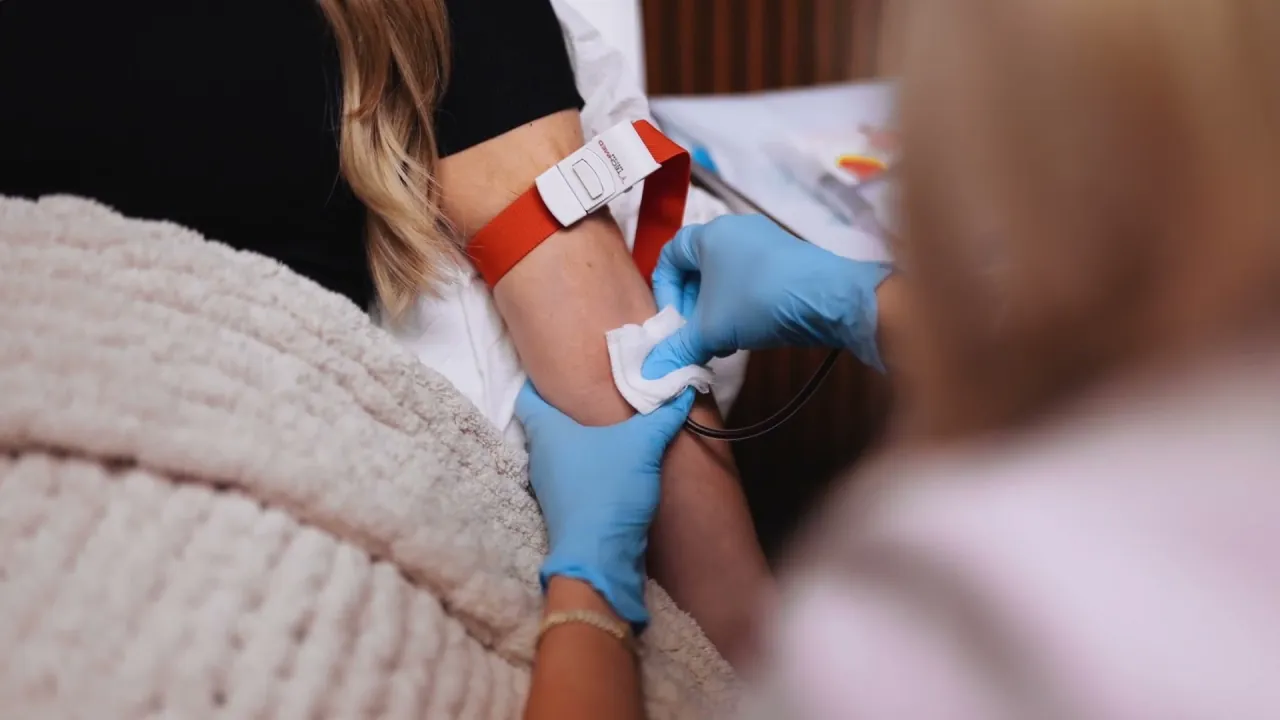
Therapeutic Phlebotomy 2.0 for men on testosterone: therapeutic phlebotomy under clinical guidance, plus cardiovascular blood health services. Hematocrit, ferritin, and lipid markers are tracked before and after.
- Evidence status: Established for high red-cell count
- Clinic Director: Dr. David George
- Scottsdale, Arizona
- 8090 N. 85th Way, Suite 100, Scottsdale, AZ 85258
- (623) 294-5577
- Monday to Friday, 9 a.m. to 5 p.m.


Who this Program is for
Testosterone therapy often raises the red blood cell count, a change called erythrocytosis, and it can bring metabolic changes with it. Many men on testosterone already know this, and they look for therapeutic phlebotomy, or donate blood, to keep their red-cell count in check.
Therapeutic Phlebotomy 2.0 is built for them. It is the phlebotomy you are looking for, done under clinical guidance, plus cardiovascular blood health services that track what else is changing in your blood.
Elevated hematocrit is one of the most predictable safety issues with testosterone use, and it's also one of the most straightforward to catch and manage once someone is actually watching for it.
How is plasma exchange believed to work for performance blood health?
- Blood out.
- Plasma separated and replaced.
- Blood returned.
What happens in a session. Blood is drawn, the liquid part (plasma) is separated from the blood cells, and the plasma is replaced with a sterile replacement fluid, usually albumin, before the cells are returned. In effect, part of the plasma and what it carries is removed and replaced.
ClearCycle™ (TPE) is considered only for a separate, appropriate medical indication — its plasma-exchange mechanism returns red cells to you, so it does not directly correct excess red cell mass.
What is not known. A change in a lab value does not by itself mean a change in how you feel or perform. This Program makes no performance, strength, or muscle-building claim. We will not promise a result.
How this works
You get the full erythrocytosis evaluation panel below, tested and delivered directly to you, reviewed by Clearegen's clinical team. This Program supplements — never replaces — the physician managing your testosterone therapy, whether that's a prescribing TRT physician or another treating provider; a persistently elevated hematocrit is a reason to discuss your testosterone source and dose with that physician, not just to book more phlebotomy.
Services in this Program
- Therapeutic phlebotomy — red cells are removed when an individualized risk assessment (symptoms, hematocrit level, cardiovascular risk factors) supports it; we also monitor iron status, since a repeated phlebotomy course can drive iron deficiency over time.
- Erythrocytosis evaluation — confirm a true, sustained elevation in hemoglobin/hematocrit via repeat CBC, ruling out a spurious or dehydration-related single high reading before treating it as true secondary erythrocytosis.
- Cardiovascular blood health services — the advanced lipid and inflammation testing in our Cardiovascular Health Program, before and after.
- TPE (ClearCycle™) — considered only for a separate, appropriate medical indication. TPE exchanges plasma while returning your red blood cells, so it does not directly correct excess red cell mass, and is not offered here as a treatment for erythrocytosis.
What's tested, before and after
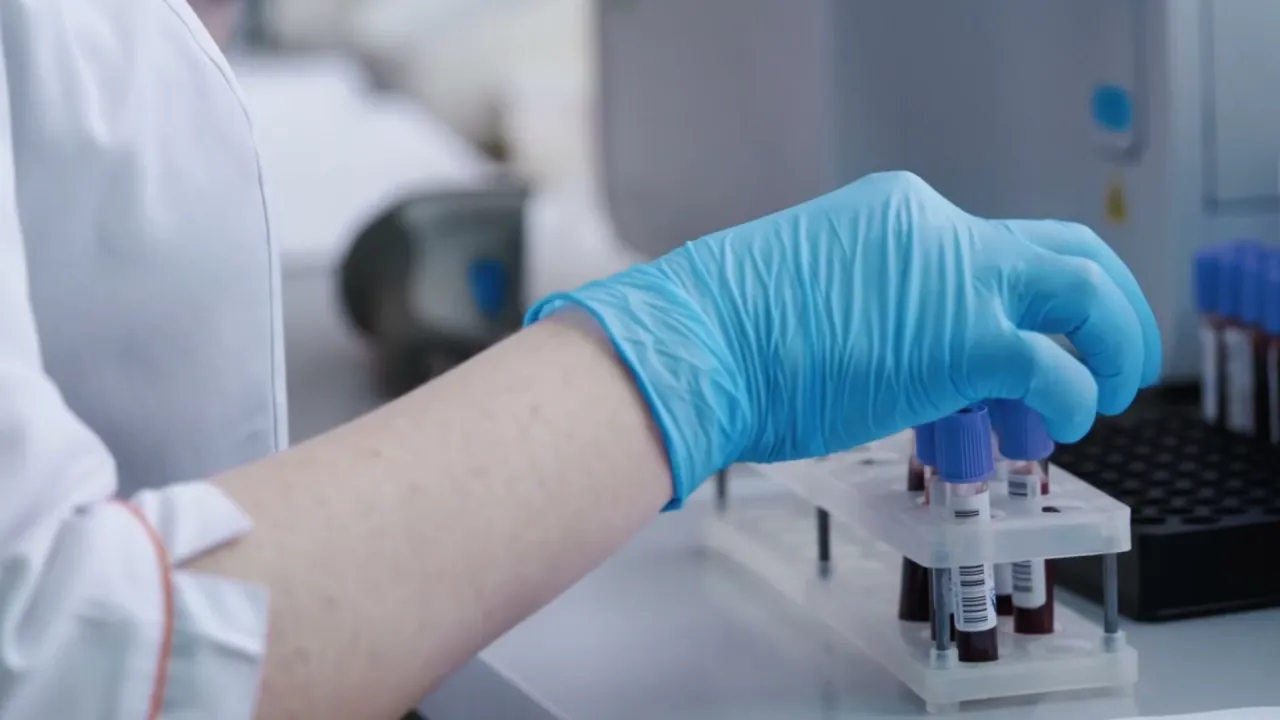
- CBC with hematocrit and hemoglobin — confirms true, sustained erythrocytosis and is the actual before/after comparison this Program is built to produce
- Iron studies (ferritin, iron saturation) — baseline and monitored across a phlebotomy course, since repeated phlebotomy can drive iron deficiency
- Total and free testosterone — establishes the testosterone-exposure context
- Blood pressure and a basic metabolic panel — standard safety monitoring alongside testosterone use and phlebotomy
What this Program does not claim
This Program does not treat, cure, or reverse any underlying cause of elevated testosterone exposure, does not replace the judgment of the physician managing your testosterone therapy, and makes no performance, strength, or muscle-building claim tied to your testosterone use itself. The claim here is narrow and measurable: identifying and managing elevated hematocrit, a well-recognized safety concern with exogenous testosterone, through evaluation and, when appropriate, therapeutic phlebotomy.
The protocol
Therapeutic phlebotomy is the primary, indicated option in this Program when an individualized assessment supports it. ClearCycle™ (TPE) is considered only for a separate, appropriate medical indication.
Your clinical team
Your care comes from a dedicated blood rehabilitation team of experienced registered nurses, nurse practitioners and clinicians. You will meet more than one of us, and one dedicated registered nurse stays with you, one-on-one, for the entire procedure.
The team is led by our Clinic Director, David George, FNP-BC:
- Board-certified family nurse practitioner (FNP-BC)
- Trained and experienced in therapeutic plasma exchange
- Member, American Society for Apheresis (ASFA)
This Program is not a substitute for care from the physician managing your testosterone therapy. It is not intended to diagnose, treat, cure, or prevent any disease, and makes no claim regarding athletic performance, strength, or muscle-building outcomes.
Questions worth asking any clinic, including ours.
Before you decide, ask us these. We’ll answer them plainly.
- What is the evidence for this use of TPE, and how strong is it?
- What will my Focused panel measure, what would an Expanded panel add, and how will we know what changed?
- What are the risks, and who should not have this procedure?
- What will it cost in total? (The Focused panel is included; the Expanded panel is an additional fee.)
- How will my own physician or clinician be kept informed?
Call us or send a request online, and our clinical team will answer your questions and set up a consultation.
Visit or call the clinic
Blood Rehabilitation Centers, Scottsdale, Arizona. Call us or send a request online, and our clinical team will answer your questions and set up a consultation.
Call (623) 294-5577- 8090 N. 85th Way, Suite 100, Scottsdale, AZ 85258
- Monday to Friday, 9 a.m. to 5 p.m.
What would you like to understand?
Browse all pages
- Home
- Blood Rehabilitation
- How We Prove It
- Programs
- The Vitality Cascade
- Membership
- TPE / Plasmapheresis
- TPE Fees & Packages
- How ClearCycle™ TPE Works
- The Evidence Behind TPE
- TPE Patient Experience
- eBoo
- EBO2 Fees & Packages
- How EBO2 Works
- EBO2 Patient Experience
- Safety & Standards
- Dr. David George
- Team
- For referring clinicians
- Contact Us in Scottsdale
- Frequently Asked Questions
- Privacy
- Terms & Conditions
- Cookie Policy
- Accessibility
- TPE for Biological Age
- TPE for Autoimmune & Chronic Inflammatory Conditions
- TPE for Cardiovascular Health
- TPE for Brain Health & Cognitive Function
- TPE for Environmental Exposure: Mold, Microplastics & Environmental Toxins
- TPE for Women’s Health
- Cardiovascular Health Program
- Biological Age
- Brain Health
- Autoimmune
- Environmental Exposure Program
- Women’s Health
- Performance Blood Health
- AMBAR trial summary