

Environmental Exposure Program
Measure what you may have been exposed to. Understand what it means. Decide next steps with a clinical team that shows you the numbers.
Testing for metals, mold toxins and inflammation, with a clear plan for what to do with the results. Plasma exchange has been shown to lower some circulating contaminants. Whether that improves how you feel is not yet proven, so we test first and re-test after.
- 8090 N. 85th Way, Suite 100, Scottsdale, AZ 85258
- (623) 294-5577
- Monday to Friday, 9 a.m. to 5 p.m.


Common reasons people ask about testing
Exposure is well documented, but a validated clinical pathway linking exposure, symptoms and treatment is not.
- Mold exposure at home or work
- Occupational metals
- Microplastics and PFAS (often called forever chemicals) in the news
- Unexplained fatigue or brain fog
Many things can cause fatigue and brain fog. Exposure is one possibility worth measuring, not a presumed cause. The Program gives you a number to discuss with your care team.
This Program supports your existing medical care. It helps you find out what you may have been exposed to and decide, with our clinical team, whether plasma exchange belongs in your plan.
What does the evidence show?
Early, but measurable: here is what studies show and what they do not.
| Exposure type | What studies show, and what they do not | Evidence status |
|---|---|---|
| Microplastics | One 2026 study of 114 patients reported lower circulating microplastic counts after plasma exchange, with the reduction hard to see at low starting levels because particles can come from the plastic tubing. It has not shown that this improves health or lowers the amount stored in the body.¹ | Circulating levels lowered: Emerging. Health benefit: Limited |
| Persistent chemicals (PFAS, PCBs, pesticides) | A 2025 hypothesis paper assayed 38 synthetic chemicals. Among 91 people, the mean number of elevated chemicals was 3.9. Eleven people had three or five elective plasma-exchange sessions plus nutrition; urine levels of the elevated chemicals studied fell. Urine change is not proof of removal from the body.² | Limited (hypothesis-level) |
| Heavy metals | It may lower the level of metals that circulate bound to plasma proteins. Metals spread through tissue can rebound after a session, and plasma exchange is not a replacement for chelation in metal poisoning. | Circulating clearance of some metals: Emerging. Replacing chelation or lowering tissue burden: Limited |
| Mold and mycotoxins | No controlled study shows that plasma exchange removes mold toxins. Studies in other conditions show that plasma exchange lowers some circulating inflammatory signals, though the effect may not last, and no study has tested it in people with mold exposure.⁴,⁵,⁸ | Mediators lowered (other conditions): Studied. Toxin removal and symptom relief in mold illness: Limited |
Plasma exchange removes plasma and replaces it, so it can lower substances that circulate in plasma. Studies have shown lower circulating levels of some contaminants, including microplastics, after plasma exchange. Studies have not shown that this changes how people feel, lowers the amount stored in tissue, or improves long-term health. Many of these studies are small, early, and in some cases run by companies that offer the procedure. That is why our Program begins with testing and ends with a re-test.
Plasma exchange devices are cleared for specific medical conditions. Using plasma exchange for environmental exposure is elective and has not been shown to improve health outcomes. Test results are not a diagnosis. This Program supports, and does not replace, your existing medical care.
How the Program works
- History and medicines.
- Baseline tests.
- Results review.
- A joint decision.
- If plasma exchange is a fit and you want it, a ClearCycle™ series.
- A re-test at a fixed time.
- A review of the change.
Testing comes first, and a re-test closes the loop
- 1. History and medicinesExposure history, medicines and supplements.
- 2. Baseline testsMetals, mold toxins, hs-CRP.
- 3. Results reviewWhat each result can and cannot say, in plain terms.
- 4. Decision, togetherIs plasma exchange a fit for you, and do you want it?
- 5. ClearCycle™ seriesPlanned series of plasma exchange sessions.
- 6. Fixed-time re-testSame tests, drawn at a set time after the series.
- 7. Review the changeCompare with baseline and decide what comes next.
Not a fit, or you decline: your own clinician leads, and the team shares your results. Plasma exchange is a choice made after results are reviewed, never the starting point.
If plasma exchange is not a fit, or you decline, your own clinician leads and the team shares the results.
Plasma exchange (ClearCycle™) is one option we discuss after your results are reviewed. If your results do not point toward plasma exchange, we will say so and share them with your own clinician.
We can prove it: you get baseline and follow-up numbers, in your own results.
What we test, and what we re-test
- Heavy metals panel, blood and/or urine (lead, mercury, arsenic, cadmium). It measures metals in blood or urine at one moment; it does not measure how much is stored in tissue.
- Mycotoxin panel, urine, LC-MS/MS methodology. It measures fungal compounds that were excreted, and these tests are less standardized than routine blood chemistry, so a result is an exposure marker and not a diagnosis.
- hs-CRP as a general systemic-inflammation marker. It does not point to a cause.
None of the three tells you that plasma exchange will help. We re-test at a fixed time after a series, not right after a session.
How is plasma exchange believed to work here?
Working hypothesis. Plasma is removed and replaced, so what circulates in plasma leaves with it.
Plasma exchange separates the liquid part of your blood (plasma) from the blood cells, removes the plasma, and returns your cells with a replacement fluid, usually albumin. Anything dissolved in or attached to that plasma leaves with it. That is why plasma exchange is used, for conditions where it is established, to remove antibodies and other large proteins.³
Our working hypothesis for environmental exposure is limited and specific. Some contaminants travel in the bloodstream, either free or attached to plasma proteins such as albumin. To the extent a contaminant does, plasma exchange can lower its level in the blood. Contaminants that are mostly stored in fat, bone or organs are only partly reachable, because the body moves them back into the blood slowly and sometimes more quickly than they can be cleared after a session ends.³
Four things follow from this, and we tell you each one before you decide. First, lower blood levels are not the same as lower body levels. Second, plasma exchange is not selective, so it also removes helpful proteins and some medicines. Third, levels of some substances rise again after a session, which is why we re-test at a fixed time rather than right after. Fourth, no study has yet shown that lowering these levels makes people feel or function better.
Working hypothesis: plasma exchange reaches what circulates in the bloodstream, and stored contaminants only as they return to the blood.
Working hypothesis, not a proven pathway. The shaded area is the only place plasma exchange acts directly.
Bloodstream (plasma)
Plasma exchange acts here. Plasma is removed and replaced. What is dissolved or carried in that plasma leaves with it.
Return to blood (rebound)
Tissue stores
Fat, organs, bone. Not reached directly. Held substances return to blood slowly. Studies so far measure blood or urine.
Where each exposure type mainly sits, and what that means for reach
- Mostly circulating in plasma. Best candidates. In the evidence so far: circulating microplastic counts (Weinstein 2026, emerging).
- Spread through tissue (some metals). Partly reachable and may rebound.
- Fat-soluble chemicals (PFAS, PCBs, pesticides). Reach depends on how tightly each binds plasma proteins. Evidence is hypothesis-level (limited).
- Chronic mold exposure. Toxin removal is unproven (limited). A separate idea: lowering inflammatory mediators, studied in other conditions.
Lower blood levels have not been shown to mean lower body levels or better health.
Who should see another clinician first?
If you think you or someone else has been poisoned or has a sudden severe reaction to an exposure, call Poison Control at 1-800-222-1222 or 911. This Program is not for emergencies.
Plasma exchange is not a replacement for chelation, which is the established route in metal poisoning. This Program supports, and does not replace, your existing medical care.
Your clinical team
Your care comes from a dedicated blood rehabilitation team of experienced registered nurses, nurse practitioners and clinicians. You will meet more than one of us, and one dedicated registered nurse stays with you, one-on-one, for the entire procedure.
The team is led by our Clinic Director, David George, FNP-BC:
- Board-certified family nurse practitioner (FNP-BC)
- Trained and experienced in therapeutic plasma exchange
- Member, American Society for Apheresis (ASFA)
Meet the people who would look after you. Talk to our clinical team.
Questions people ask
Is this a detox?
No. We do not use that word as a promise. The Program measures what you may have been exposed to, explains what the results mean, and discusses options with you, which may include plasma exchange.
What does the Program test for, and what can the tests not tell me?
Metals in blood or urine, mold toxins in urine, and hs-CRP, a general inflammation marker. These show a snapshot of exposure or inflammation. They do not show how much is stored in your tissue or why you feel the way you do.
Can plasma exchange remove microplastics from my blood?
One 2026 study of 114 patients reported lower circulating microplastic counts after plasma exchange, with the reduction hard to see at low starting levels because particles can come from the plastic tubing. It has not shown that this improves health or lowers the amount stored in the body.
Can plasma exchange remove heavy metals?
It may lower the level of metals that circulate bound to plasma proteins. Metals spread through tissue can rebound after a session, and plasma exchange is not a replacement for chelation in metal poisoning.
What about PFAS, PCBs and pesticides?
A 2025 hypothesis paper assayed 38 synthetic chemicals. Among 91 people, the mean number of elevated chemicals was 3.9. Eleven people had three or five elective sessions plus nutrition, and urine levels of the elevated chemicals studied fell. The authors do not say how much of that change is plasma exchange rather than nutrition, or whether health changes. Urine change is not proof of removal from the body.
What about mold?
There are two separate questions. Does plasma exchange remove mold toxins? No controlled study shows that. Can it lower circulating inflammatory signals that may be driving an over-active immune response? Studies in other conditions show that plasma exchange lowers some of these signals, though the effect may not last, and no study has tested it in people with mold exposure. We measure before and after so you can see what changes for you. If mold is the concern, finding and fixing the source and working with your own clinician come first.
Will I feel better?
We cannot promise that, and no controlled study has tested symptom change for environmental exposure. Some people choose to try plasma exchange while the evidence is early, and that is a legitimate choice when it is made with clear information. What we can do is measure before and after, so you can see what changed for you and decide whether to continue.
What are the risks?
Plasma exchange involves vascular access and can cause low blood pressure and allergic-type reactions. It also removes helpful proteins and some medicines, so we ask for your medicine list before planning anything. Your team will explain the risks that apply to you. A published summary of the World Apheresis Association registry reported adverse events in 7,142 patients out of 50,846 therapeutic apheresis treatments: mild in 2.4% of treatments, moderate in 3%, and severe in 0.4%. That registry is not Clearegen’s own outcomes.³
How will I know whether it did anything?
We re-test at a fixed time after a series and compare it with your baseline. Results drawn right after a session mostly reflect what the procedure just removed, so we do not rely on them.
Can this replace my toxicologist or my doctor?
No. The Program supports your existing medical care, and we are glad to share results with your own clinician.
What if I think I was poisoned just now?
Call Poison Control at 1-800-222-1222 or 911. This Program is not for emergencies.
References
- Weinstein R, Yüksel ZS, Anderson C, et al. Can plasma exchange be used to lower the circulating burden of microplastics in human patients? J Clin Apher. 2026;41. Published May 21, 2026. doi:10.1002/jca.70135
- Savage P, Anderson PS, She J, Smith PW, Hanaway P, Basiorka R. Can serial therapeutic plasma exchange remove synthetic chemicals from humans? Med Hypotheses. 2025;198:111630. doi:10.1016/j.mehy.2025.111630 Urine, not blood. Intervention subset: 11 people, three or five sessions plus nutrition. Funded by the clinic that offers the protocol; several authors disclose ownership or employment there. The authors leave the share from plasma exchange versus nutrition unresolved.
- Altobelli C, Anastasio P, Cerrone A, et al. Therapeutic plasmapheresis: a revision of literature. Kidney Blood Press Res. 2023;48(1):66-78. doi:10.1159/000528556
- Schmidt JJ, Jahn J, Golla P, et al. Effect of therapeutic plasma exchange on plasma levels and total removal of adipokines and inflammatory markers. BMC Obes. 2015;2:37. doi:10.1186/s40608-015-0067-z
- Zhang J, Xie D, Tang M, et al. Utilizing plasma exchange for severe cytokine release syndrome after CAR-T cell therapy: clinical experience and literature insights. Front Immunol. 2025;16:1597512. doi:10.3389/fimmu.2025.1597512
- Rony RMIK, Shokrani A, Malhi NK, et al. Therapeutic plasma exchange: current and emerging applications to mitigate cellular signaling in disease. Biomolecules. 2025;15(7):1000. doi:10.3390/biom15071000
- Slavic V, Antunovic T, Randjelovic D, Terzic Stanic N, Boljevic J. Therapeutic role of low-volume plasma exchange in modulating lipopolysaccharides-binding protein and inflammatory pathways in metabolic syndrome. Arch Med Sci Atheroscler Dis. 2026;11(1):17-23. doi:10.5114/amsad/216575
- Kraft S, Buchenauer L, Polte T. Mold, mycotoxins and a dysregulated immune system: a combination of concern? Int J Mol Sci. 2021;22(22):12269. doi:10.3390/ijms222212269
Plasma exchange devices are cleared for specific medical conditions. Using plasma exchange for environmental exposure is elective and has not been shown to improve health outcomes. Test results are not a diagnosis. This Program supports, and does not replace, your existing medical care. The Environmental Exposure Program is not clinically proven to reduce microplastic, mold, or pesticide-related burden, and is not intended to diagnose, treat, cure, or prevent any disease.
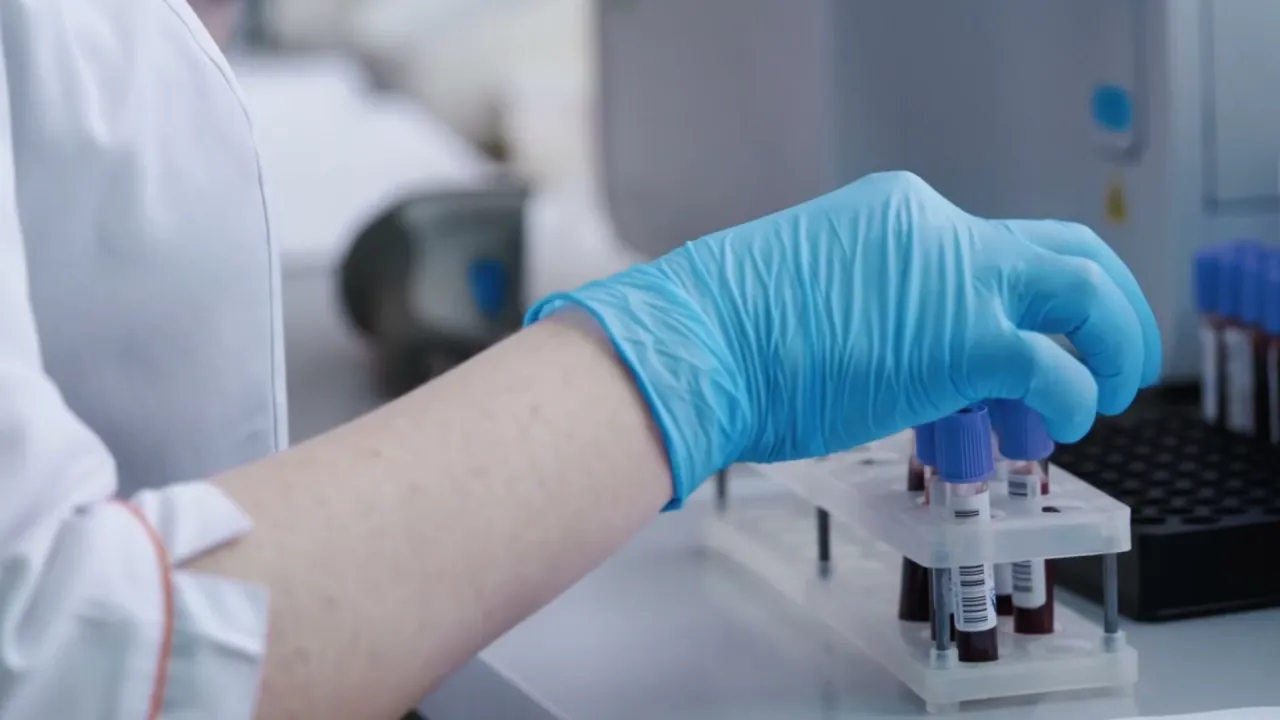
Questions worth asking any clinic, including ours.
Before you decide, ask us these. We’ll answer them plainly.
- What is the evidence for this use of TPE, and how strong is it?
- What will my Focused panel measure, what would an Expanded panel add, and how will we know what changed?
- What are the risks, and who should not have this procedure?
- What will it cost in total? (The Focused panel is included; the Expanded panel is an additional fee.)
- How will my own physician or clinician be kept informed?
Call us or send a request online, and our clinical team will answer your questions and set up a consultation.
Visit or call the clinic
Blood Rehabilitation Centers, Scottsdale, Arizona. Call us or send a request online, and our clinical team will answer your questions and set up a consultation.
Call (623) 294-5577- 8090 N. 85th Way, Suite 100, Scottsdale, AZ 85258
- Monday to Friday, 9 a.m. to 5 p.m.
What would you like to understand?
Browse all pages
- Home
- Blood Rehabilitation
- How We Prove It
- Programs
- The Vitality Cascade
- Membership
- TPE / Plasmapheresis
- TPE Fees & Packages
- How ClearCycle™ TPE Works
- The Evidence Behind TPE
- TPE Patient Experience
- eBoo
- EBO2 Fees & Packages
- How EBO2 Works
- EBO2 Patient Experience
- Safety & Standards
- Dr. David George
- Team
- For referring clinicians
- Contact Us in Scottsdale
- Frequently Asked Questions
- Privacy
- Terms & Conditions
- Cookie Policy
- Accessibility
- TPE for Biological Age
- TPE for Autoimmune & Chronic Inflammatory Conditions
- TPE for Cardiovascular Health
- TPE for Brain Health & Cognitive Function
- TPE for Environmental Exposure: Mold, Microplastics & Environmental Toxins
- TPE for Women’s Health
- Cardiovascular Health Program
- Biological Age
- Brain Health
- Autoimmune
- Environmental Exposure Program
- Women’s Health
- Performance Blood Health
- AMBAR trial summary